Wildfires are one of the fastest-growing sources of global greenhouse gas (GHG) emissions—and one of the hardest to control. Nova is changing that reality by giving wildfire crews what they’ve never had before: real-time, actionable intelligence when and where it matters most. Built by firefighters who lived the problem firsthand, Nova transforms raw aerial data into operational clarity—helping crews move faster, work safer, and contain fires more effectively.
Through NorthX’s 2024 Wildfire Tech Call for Innovation, NorthX invested $300,000 in Nova, backing the company at a pivotal moment as it shifted from batch-based data processing to real-time, in-flight wildfire intelligence. Since the project began, with additional co-funding, Nova has multiplied its customer base, advanced its platform to near-commercial readiness, and demonstrated significant potential for reducing greenhouse gas emissions tied to wildfire damage.
Robert Atwood
CEO & co-founder of NovaBuilt on the fireline
Nova’s story begins not in a lab or accelerator, but on the fireline.
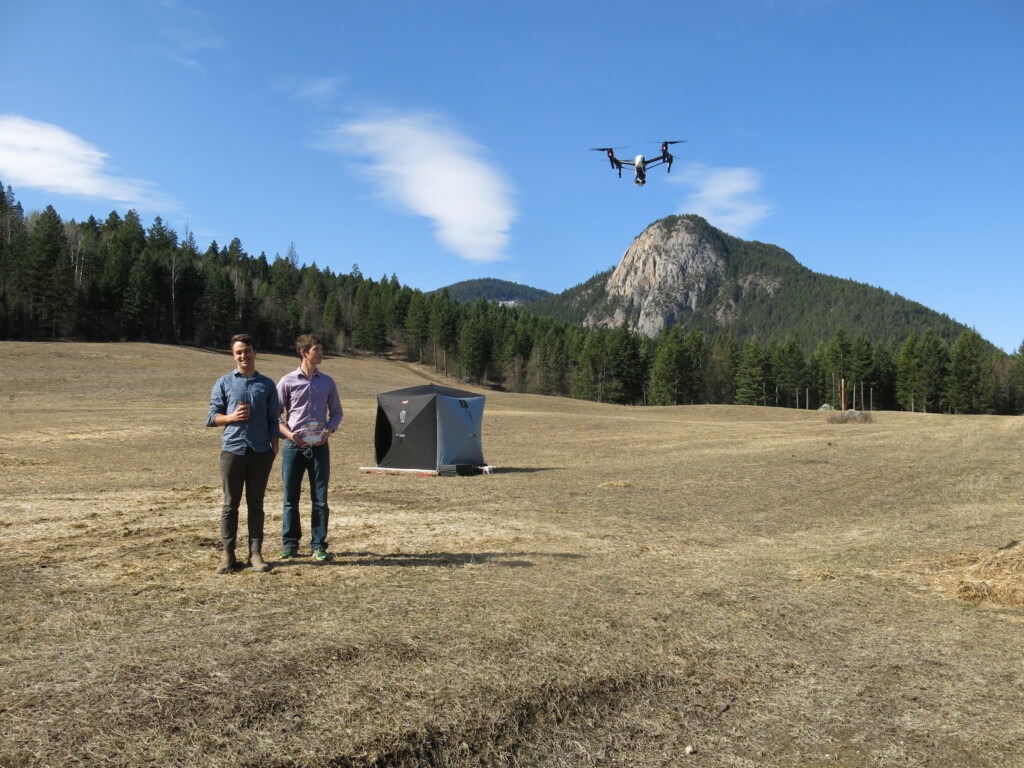
Founders Robert Atwood and Richard Sullivan met as students at Thompson Rivers University while working as wildland firefighters with the BC Wildfire Service in 2014 where they saw the same challenges play out night after night: limited visibility, delayed intelligence, and decisions made with incomplete information—often in dangerous, rapidly changing conditions.
While still in school, they purchased a single drone to explore whether better aerial intelligence could change outcomes on the ground.
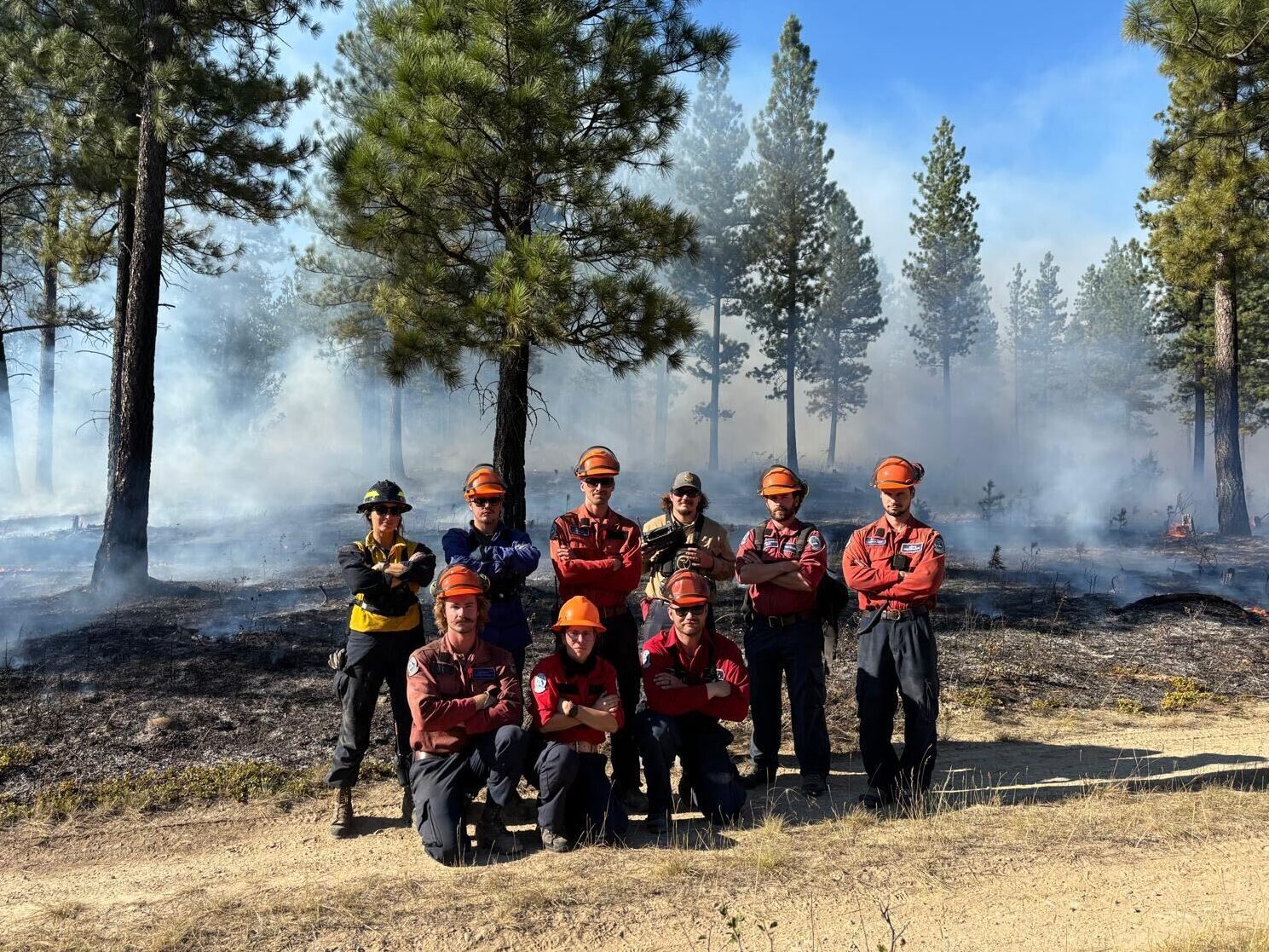
Encouraged by a mentor who reminded them that firefighting would always be there—but this opportunity wouldn’t—they took the leap.
That decision made them the first unmanned aircraft system (UAS) service provider in North America to support active wildfire suppression.
Adds Atwood, “We weren’t the traditional tech founders, we were two firefighters driven to solve problems and fascinated by the potential of drones. Twelve years ago, drones were seen as magic, flying robots with cameras. But with our deep understanding of fire and the existing systems used to manage them, we recognized something bigger—an opportunity to transform how wildfires are understood and managed.”
The Insight Gap: Technology Without Usability
Drones and infrared cameras already existed in wildfire response. The problem wasn’t sensing, it was sense-making.
Early on, Atwood and Sullivan were engaged in flying missions directly on fires. But as adoption grew, so did a realization: the real leverage wasn’t in flying drones—it was in what happened to the data afterward.
Fire agencies were capturing vast amounts of data but lacked a way to translate that information into real-time operational decisions. Infrared imagery was often delayed, difficult to interpret, and disconnected from incident command workflows.
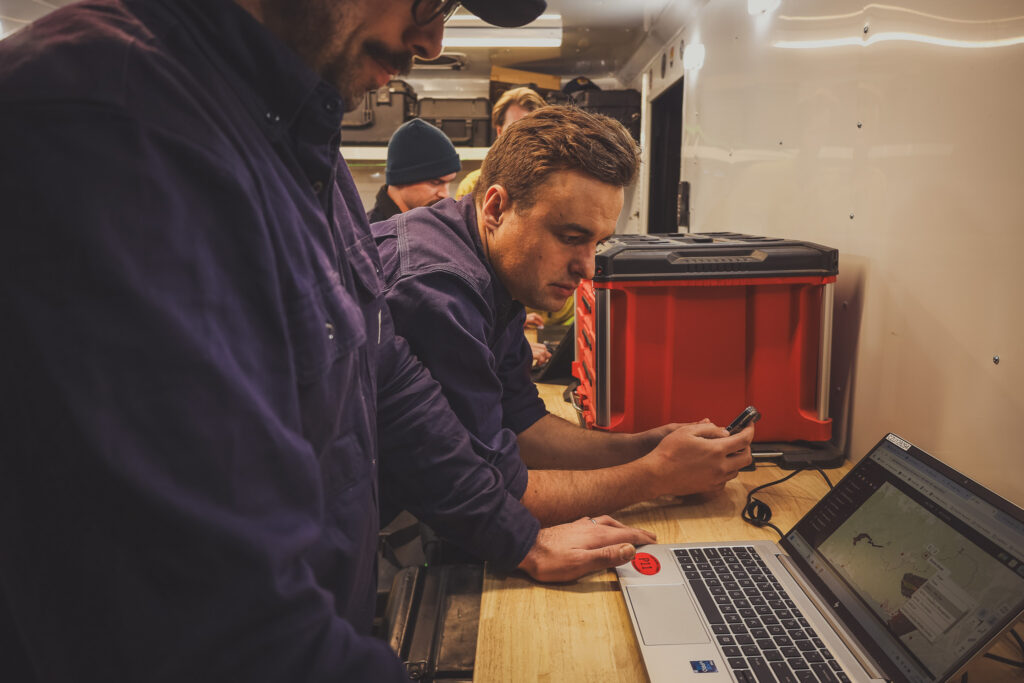
Nova emerged as a software platform designed to integrate seamlessly into wildfire operations, turning aerial intelligence into clear, intuitive insights that commanders and crews can act on immediately. Nova delivers live infrared mapping, real-time fire perimeter tracking, hotspot identification and prioritization, and faster, safer decision-making for crews on the ground. This is especially critical to nighttime operations, when risk is highest and visibility is lowest. Today, the company has more than 200 clients across North America and Australia.
“For decades, firefighters were sent into the field with little more than a paper map and a rough red line marking where the fire was thought to be,” said Atwood. “No visibility into hotspots. No real-time insight into vegetation risk. Today, the data we amass is incredibly rich, allowing crews to not only understand where the boundaries of the fire are or what the vegetation is, but specifically, the technology that we develop where each and every single hotspot is on the landscape.”

Real-World Proof: When It Counts
Nova has been deployed in some of the most high-stakes environments imaginable.
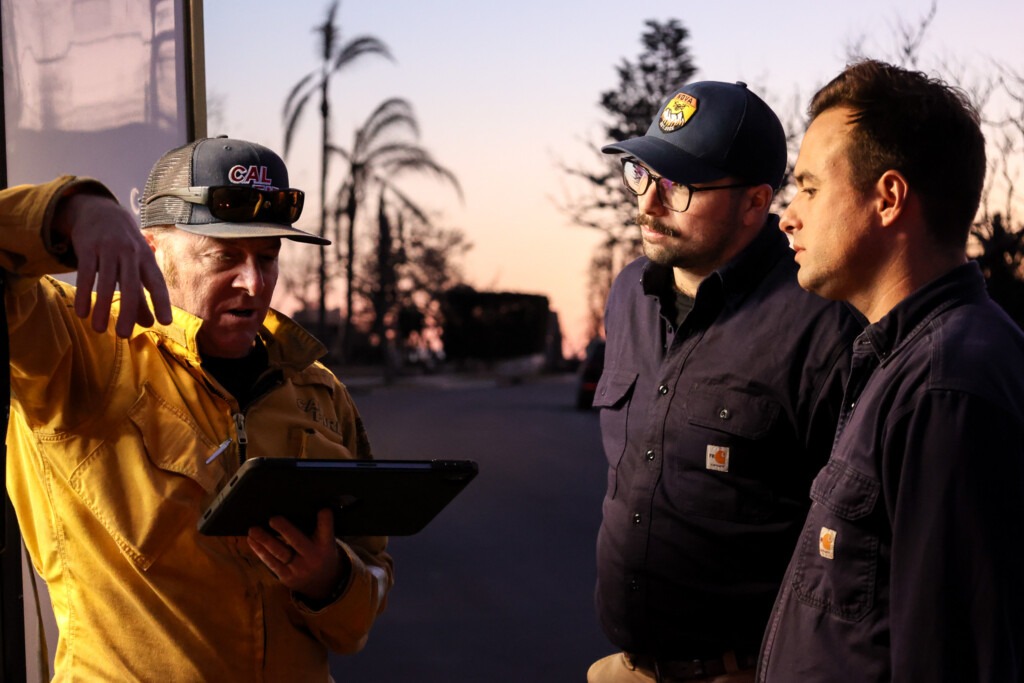
In January 2025, they were invited on scene by Cal Fire and supported suppression efforts of the Palisades fire, one of the most devastating wildfires in recent history. The Palisades fire started on January 7th and burned 23,448 acres, including many homes and businesses in Pacific Palisades, over 24 days before it was fully contained. Nova’s platform enabled teams to identify critical hotspots faster, allocate resources more precisely, and operate more safely during night operations.
When three skiers went missing in the interior of British Columbia near Sun Peaks in December 2024, Nova was used to support search and rescue efforts. The technology helped teams locate the skiers, demonstrating Nova’s broader applicability beyond wildfire suppression and validating its role as a next-generation emergency response tool.
Through these and many other deployments, Nova has expanded its technology beyond wildfire management into broader emergency response, including search and rescue and public safety, with growing adoption among police and sheriff’s departments.
How Better Wildfire Intelligence Can Reduce GHG Emissions at Scale
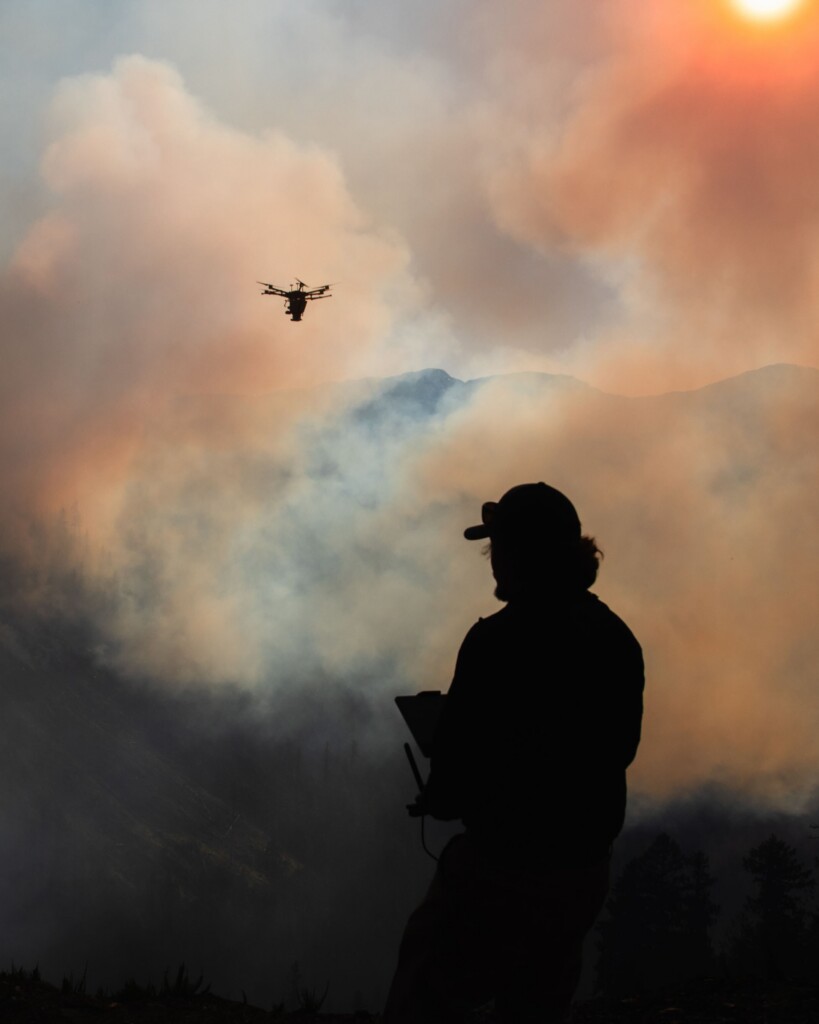
Wildfire suppression is typically framed as emergency response — not climate policy. Yet preventing catastrophic fires is one of the most immediate and cost-effective ways to avoid large-scale greenhouse gas emissions.
Each hectare burned releases significant stored carbon, undermining climate targets and eroding the role of forests as long-term carbon sinks. As megafires grow in frequency and intensity, small ignition events can escalate into preventable emissions on the scale of millions of tonnes.
Many of these events begin as minor hotspots. Without precise, real-time intelligence, residual heat and hidden flames can go undetected, increasing the risk of re-ignition and spread.
“While eliminating wildfires completely is unlikely, there is a huge opportunity to manage them more effectively,” said Atwood. “The work we were able to do because of NorthX was transformative in how we think about the problem — from batch to real-time processing. It also enabled faster turnaround of data, and quicker insight into the risk associated with any fire.”
Investing in advanced detection, heat mapping, and fire-behaviour analytics enables agencies to contain threats earlier, reduce megafire risk, and protect forest carbon assets. In this context, wildfire technology is not only a public safety investment — it is a practical lever for emissions reduction and climate resilience.
Partnerships & Community: Scaling with Purpose
Nova’s impact extends beyond technology.
The company is working with the Little Red River Cree Nation and the Independent First Nations Alliance, training Indigenous pilots on the Nova platform and enabling community-led wildfire response. These partnerships point to a future where local capacity and advanced technology work together to protect land, people, and livelihoods.
Based in Kamloops and Victoria, Nova remains deeply connected to communities that understand wildfire risk firsthand, shaping both the product and the company’s sense of purpose.
Looking Ahead: What’s Next
Nova is entering its next phase of growth, building on validated deployments and rising demand — integrating purpose-built drone hardware, expanding into broader disaster response, and scaling into fire-prone regions globally. As wildfire seasons grow longer and more severe, its platform is shifting from promising innovation to essential climate and public-safety infrastructure.
Nova shows what’s possible when founders who have lived the problem are backed at the right moment.
“Fire just hasn’t received enough focus, and traditional venture capital hasn’t stepped in at the level needed. NorthX coming in and saying, ‘This is hard for traditional venture firms to fund—and we’re going to do it,’ is incredible. We wouldn’t have seen the growth we achieved last year without NorthX funding. It allowed us to build a much stronger product and positioned us to attract larger pools of capital as we scale.”
~ Robert Atwood, Nova